Why This Question Still Trips Up So Many Website Owners
“Subhash, I just checked my backlink profile and nearly half my links are nofollow. Am I throwing money away?”
That question , or some version of it , lands in my inbox almost every week. And honestly, it makes sense. When you first start learning about SEO, someone usually tells you dofollow links are the good ones and nofollow links are basically worthless. That was a questionable take in 2019. In 2026, it’s flat-out wrong.
In this guide, I’ll walk you through what each link type actually does, how Google treats them today, and what your backlink profile should realistically look like. I’ve spent 15+ years building links for SMBs across 30+ countries , this is the practical breakdown I wish someone had given me early on.
What Is a Dofollow Backlink?
A dofollow backlink is simply a link that passes ranking power , what SEOs call ‘link equity’ or ‘link juice’ , from one site to another. When a website links to you without adding any restrictive attributes, Google’s crawlers follow that link and count it as a vote of confidence. That vote influences how you rank.
Here’s what one looks like in HTML:
<a href=”https://www.yourwebsite.com”>Your Anchor Text Here</a>
No special tag needed. By default, every hyperlink on the internet is dofollow , unless someone explicitly changes that. What it signals to Google: ‘We’re comfortable vouching for this website. It’s relevant, trustworthy, and worth your attention.’
(Source: Google , How Search Works: Ranking Results)
What Is a Nofollow Backlink?
A nofollow link includes a rel=”nofollow” attribute, which was Google’s way of telling crawlers to skip that link when assigning PageRank credit. Google introduced this back in 2005 primarily to cut down on comment spam and manipulative link schemes.
<a href=”https://www.yourwebsite.com” rel=”nofollow”>Your Anchor Text Here</a>
But here’s the thing most posts don’t mention: in September 2019, Google officially reclassified nofollow as a hint rather than a hard directive. That means Google can choose to follow a nofollow link and pass credit if it wants to , particularly when the linking site is highly authoritative.
(Source: Google Search Central Blog , Evolving ‘nofollow’)
The 2019 Update That Changed How We Think About Link Attributes
Alongside the nofollow reclass, Google introduced two new link attributes:
- rel=”sponsored” , for paid placements, ads, and affiliate links. Tells Google the link had a financial motive.
- rel=”ugc” , for user-generated content like forum posts or blog comments. Signals the site owner didn’t place that link editorially.
All three , nofollow, sponsored, and ugc , are now treated as hints, not instructions. Google uses them as input, but it makes the final call on how to handle each link.
What this means in practice: a nofollow link from Forbes, Wikipedia, or the BBC may still pass meaningful authority to your site. Google is smart enough to understand that a mention from a globally trusted publication carries weight , whatever the HTML says.
Dofollow vs Nofollow: A Side-by-Side Breakdown
Feature | Dofollow | No follow |
|---|---|---|
Passes PageRank? | Yes, directly | Hint-based (Google decides) |
Impacts keyword rankings? | Strong, direct impact | Indirect / contextual |
Referral traffic? | Yes | Yes |
Brand visibility? | Yes | Yes |
Google’s treatment | Follow + credit | May or may not follow |
Common sources | Guest posts, editorial links, resource pages | Social media, forums, Wikipedia, comments |
Risk of penalty if abused? | Yes (link schemes) | Low |
Where Each Link Type Shows Up Naturally
Understanding the typical sources of each link type helps you build a profile that looks organic , because it is.
Common Sources of Dofollow Links
- Editorial mentions in blog posts and news articles
- Guest posts where the host site places your link contextually
- Web 2.0 platforms that allow original content publishing
- Resource pages and link roundups
- Business listing sites in your target geography
- Profile pages on niche-specific directories
Common Sources of Nofollow Links
- Social media platforms (LinkedIn, Facebook, Instagram, Twitter/X)
- Wikipedia citations
- Forum discussions (Reddit, Quora)
- News site comment sections
- Social bookmarking sites
- Press release distribution platforms
- Blog comments
What Happens When Your Profile Is Almost Entirely Dofollow
Case Study: E-Commerce Health Supplements Brand
During a backlink audit I ran for an e-commerce client in the health supplements space, one number stood out: 94% of their 800+ backlinks were dofollow. No nofollow links to speak of.
On paper, that sounds like a dream. In reality, it was a problem.
When virtually every link pointing to your site passes PageRank, it stops looking like something earned and starts looking like something engineered. After we brought in nofollow mentions from industry forums, Google Business Profile reviews, and classified submission sites, the domain’s health score in Ahrefs improved , and their primary product pages recovered from a rankings dip within 45 days.
The takeaway: an all-dofollow profile signals manipulation. A natural-looking mix is what Google actually expects to see.
Can Nofollow Links Alone Move the Rankings?
Case Study: Boutique Consulting Firm
A consulting firm I worked with in 2023 had the opposite issue. Nearly every link pointing to their site was nofollow , social shares, forum mentions, directory listings. Nothing was passing direct PageRank.
Brand visibility? Decent. Rankings? Stuck between positions 8 and 15 for over eight months without budging.
The fix was a focused dofollow acquisition campaign , guest posting, digital PR, and strategic press releases. Within 90 days of landing 22 quality dofollow editorial links, five of their core service pages moved up to positions 3–5 for competitive keywords.
The takeaway: dofollow links are what actually drive ranking improvements. Nofollow links support and protect your profile , but they can’t carry the load on their own.
What Does a Healthy Dofollow-to-Nofollow Ratio Look Like?
This is one of the most common questions I get, and the honest answer is: Google has never published a target number. But after watching hundreds of backlink profiles across competitive niches over 15+ years, here’s what I consistently see in healthy, penalty-free sites:
- 60–75% dofollow links from relevant, authoritative sources
- 25–40% nofollow links from natural mentions, social platforms, forums, and directories
Sites at the extremes , 90%+ dofollow or 90%+ nofollow , either attract algorithmic scrutiny or just stagnate in the SERPs.
Important: let this ratio develop naturally through real link building. Don’t try to hit a specific percentage artificially , that approach tends to backfire.
How Nofollow Links Actually Help Your SEO (Even Without PageRank)
This is the part most SEO articles skip past. Even when a nofollow link passes zero PageRank, it can still move things in your favour through several routes:
Referral Traffic
A nofollow link in a busy Reddit thread or popular forum post can send thousands of real visitors your way. Traffic is traffic, regardless of the link attribute.
Brand Discovery and Entity Signals
Mentions across authoritative platforms , even nofollow , contribute to Google’s understanding of your brand as a real entity. In 2026, entity-based optimisation matters more than ever.
Content Amplification
Nofollow shares on social media get your content in front of wider audiences, which increases the chance that someone with a high-authority blog eventually links to it with a dofollow link.
Partial Credit from Authoritative Sources
Nofollow links from extremely trusted domains , Wikipedia, major news outlets, government sites , may still receive partial credit inside Google’s systems.
Profile Diversity
A backlink profile that includes natural nofollow mentions from forums, review sites, and social platforms looks human. It tells Google your brand is genuinely talked about in the real world.
Getting mentioned and linked from top consumer business review sites is an excellent source of trust-building nofollow links that carry real brand authority.
Should You Disavow All Your Nofollow Links?
No. Disavowing nofollow links from legitimate sources , news sites, forums, review platforms , can actually hurt your site by stripping out the natural diversity your profile needs. The Google Disavow Tool exists for one purpose: cleaning up toxic, spammy links from clearly harmful sources.
Only disavow links that are:
- Coming from known spam networks or link farms
- From unrelated, low-quality sites with zero topical relevance
- Part of obvious paid link schemes
If you’re not sure which links cross that line, a proper SEO audit is the place to start , not a mass disavow.
Dofollow Link Building Strategies That Still Work in 2026
If ranking for competitive keywords is your goal, most of your effort should go into earning high-quality dofollow links. Here’s where I’d focus:
- Guest Posting on Authoritative Sites
Editorial guest posts on niche-relevant websites with a Domain Authority of 40+ remain one of the most reliable methods. The catch is relevance and actual content value , mass submission to anyone who’ll take an article gets you nowhere.
- Press Release Distribution
A well-placed press release can earn dofollow backlinks from regional news outlets, trade publications, and online magazines. The key word is ‘earn’ , the release needs a genuine news hook.
- Business Directory Listings
Authoritative business directories, especially country-specific platforms, often pass dofollow equity. Worth prioritising for UK, Canada, UAE, and Germany if those are your target markets.
- Web 2.0 Content Publishing
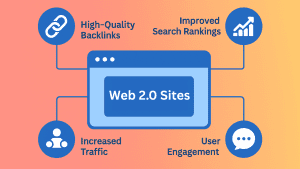
Publishing original, genuinely in-depth content on high-DA Web 2.0 platforms and linking back contextually generates legitimate dofollow equity from established domains.
- Content That Earns Links on Its Own
The most sustainable approach is creating something so genuinely useful that other sites link to it without being asked. Original data, detailed guides, and useful tools attract natural dofollow links over time.
Master the craft with this guide to long-form content writing.
Building Nofollow Links Strategically: Where to Put Your Time
- Social media presence , every link shared on LinkedIn, Facebook, or Instagram is nofollow, but these platforms drive brand discovery. Leverage social media for business growth as part of your broader SEO strategy.
- Forum and community participation , answering questions on Reddit, Quora, and industry forums with genuinely helpful responses builds profile diversity and drives referral traffic.
- Podcast appearances , show notes typically carry nofollow links, but the brand awareness and traffic generated are real and lasting.
- Review platforms , Positive reviews directly impact why your business shows on Google for local searches.
- Content bookmarking , sharing your best content across bookmarking sites generates nofollow links and speeds up content indexation.
How to Audit Your Current Backlink Profile
Before spending more on link building, understand what you’re working with. Here’s a straightforward process:
- Connect to Google Search Console navigate to Links → External Links for a top-level view of your referring domains.
- Export your full backlink profile use Ahrefs, Semrush, or Moz Link Explorer. Include the follow status for each link.
- Segment by link type separate dofollow, nofollow, sponsored, and ugc. Calculate your current ratio.
- Review your top 20 dofollow referring domains are they relevant to your niche? Genuinely authoritative? Or low-quality filler?
- Flag toxic links especially in your dofollow profile. Assess whether anything needs disavowing.
- Build an acquisition plan if your dofollow count is low, prioritise guest posting and digital PR. If your nofollow profile is thin, invest time in social media and community participation.
Frequently Asked Questions
- Do nofollow links have any SEO value at all?
More than most people realise. Since Google’s 2019 update, authoritative nofollow links may still pass partial PageRank signals. Beyond that, they drive referral traffic, help Google understand your brand as a real entity, and make your profile look natural. A website with zero nofollow links is a red flag, not a sign of quality.
- Which is better, dofollow or nofollow?
Dofollow links are the main driver of keyword ranking improvements because they directly pass PageRank. But ‘better’ is the wrong framing. Your website needs both. Think of dofollow as the engine and nofollow as the chassis , without both, the whole thing doesn’t work properly.
- Can too many dofollow links actually hurt my site?
Yes. An unusually high ratio of dofollow links , particularly from low-quality, irrelevant, or paid sources , is a clear signal to Google that your link profile was engineered. Google’s spam policies specifically target unnatural link patterns. A very high dofollow ratio can trigger a manual review or an algorithmic penalty, especially if those links come from link farms or private blog networks.
- Do social media links help with Google rankings?
Not directly. Every major social platform uses nofollow or equivalent attributes, so they pass no direct PageRank. But they contribute indirectly , through brand discovery, content amplification, and referral traffic , and they help your content reach audiences who may later link to it editorially with a dofollow link. Think of social signals as supporting factors, not primary ranking drivers.
- How do I check if a backlink is dofollow or nofollow?
Right-click the link on the page and select ‘Inspect’ or ‘Inspect Element’. Look for the rel attribute in the <a> tag. If you see rel=”nofollow”, rel=”sponsored”, or rel=”ugc”, it’s not passing full PageRank. For bulk analysis of your entire profile, Ahrefs Backlink Checker, Semrush Backlink Analytics, or Moz’s Link Explorer will give you a complete breakdown.